Holiday Travel Stretches and Posture Tips for Comfort
Holiday travel can be exciting, but long hours in a vehicle or airplane seat may leave your body feeling tight before the festivities begin. Whether you are driving to see family or flying to a seasonal destination, staying in one position for too long can place added strain on your muscles and joints.
The good news is that staying comfortable does not require a complicated workout. A few simple stretches, frequent movement breaks, and mindful posture can help reduce travel-related discomfort. Taking a minute or two to reset each hour may help you arrive feeling more mobile and ready to enjoy your time with family and friends.
Why Travel Can Cause Stiffness and Discomfort
Long periods of sitting can affect the body more than people realize. In a car or on a plane, the hips stay bent while the upper body often gradually rounds forward. This position may contribute to tight hip flexors, back pain, chest tightness, and tension through the shoulders.
When muscles do not move through their usual range of motion, they can begin to feel less flexible as the trip continues. It is common to notice neck pain, hip stiffness, or back discomfort after several hours of travel. Regular movement can help address this tension before it becomes more difficult to shake off.
Helpful Stretches for a Long Drive
Hours behind the wheel can leave muscles feeling restricted and joints less comfortable. Planning to move during scheduled stops is one of the simplest ways to support your body throughout a road trip.
At a fuel stop or rest break, take a moment to stretch before returning to the driver’s seat. A runner’s lunge can be especially helpful for lengthening the hip flexors after sitting. Even a short stretch can encourage better mobility before you continue the drive.
Standing outside the vehicle also creates an opportunity to reverse the forward posture that can develop while driving. Place your hands on a wall or another steady surface, reach upward, and gently move your chest forward. This movement can open the front of the body and ease built-up tension in the chest and shoulders.
A chest stretch is another useful option. Stand by a doorway or wall with your elbows bent to 90 degrees and your forearms against the surface. Lean forward slowly until you notice a gentle stretch across the chest. This can help offset the rounded-shoulder position that often occurs during extended drives.
When it is safe to do so, small posture resets in the driver’s seat can also be beneficial. Gently drawing your shoulder blades together from time to time can counter slouching and support more comfortable alignment during the trip.
Ways to Stay More Comfortable on a Flight
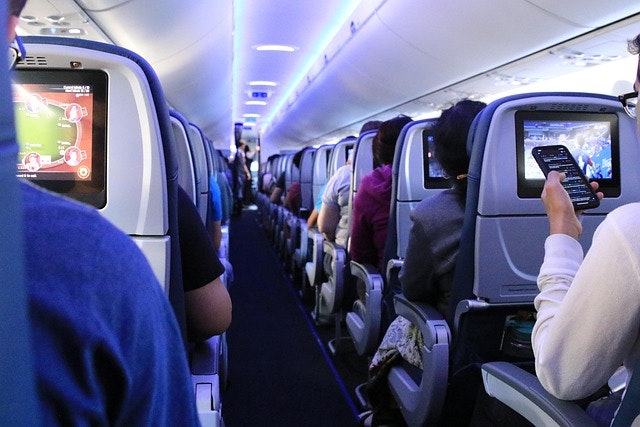
Flying can create many of the same physical challenges as driving, often with less room to change positions. Remaining seated in a small space for several hours can make joints feel stiff and may slow circulation.
A simple movement routine about once an hour may help limit discomfort. Slowly move your neck in each direction and circle your shoulders forward and backward to release tension that can collect in the neck and upper body while flying.
Your hips may benefit from movement as well. Bringing one knee gently toward your chest, then switching sides, can provide a mild stretch for muscles that tighten during prolonged sitting.
Do not forget about your ankles and feet on a longer flight. Ankle circles and gentle foot pumps encourage circulation and may help your lower legs feel less stiff when you land. These movements take very little room yet can make a meaningful difference by the end of the journey.
Posture Matters During Holiday Travel
Stretching is only one part of feeling better on the road or in the air. Paying attention to posture throughout the trip can reduce unnecessary strain on the neck, shoulders, and upper back.
A common travel habit is letting the head drift forward while watching the road, reading, or looking at a phone. As the head moves farther in front of the shoulders, the neck muscles must work harder to hold it up. Over time, this can contribute to tension in the neck, shoulders, and upper back.
Whenever possible, try to keep your ears positioned over your shoulders. This small correction can reduce strain and promote better spinal alignment.
A gentle chin tuck can also serve as a quick posture reset. Draw your chin slightly back, hold for a few seconds, and then relax. Repeating this movement periodically may help relieve neck tension before it has a chance to build.
Brief Movement Breaks Add Up
One of the advantages of travel stretches is that they do not require equipment or a major time commitment. Most can be completed in a minute or two, making them realistic additions to a busy travel day.
Whether you are stopping at a rest area, waiting in an airport, or sitting through a long flight, brief movement breaks can keep muscles engaged rather than allowing tightness to increase. Performing these movements consistently during the day is often more helpful than waiting until the trip is over to address discomfort.
Making movement part of your travel routine may help you reach your destination feeling more relaxed, mobile, and prepared to enjoy the occasion.
When to Consider Professional Care
Most stiffness related to travel improves within a day or two after you return to your typical routine and begin moving regularly again. Gentle stretching and improved posture can often help the body recover naturally after a lengthy trip.
However, discomfort that continues after travel, limits your range of motion, or does not improve may deserve professional attention. Ongoing pain can be a sign that your body needs more than a temporary stretch to restore comfortable movement.
If travel leaves you with persistent neck pain, back pain, or stiffness, Union Chiropractic Neurology can help. As a Monroe, North Carolina chiropractic neurology practice serving Union County and Indian Trail, we provide evidence-based, noninvasive healthcare focused on natural pain relief, improved movement, and wellness care. Dr. Louis Kerr and our team can perform a personalized neurologic examination and recommend care designed to support your recovery and comfort.